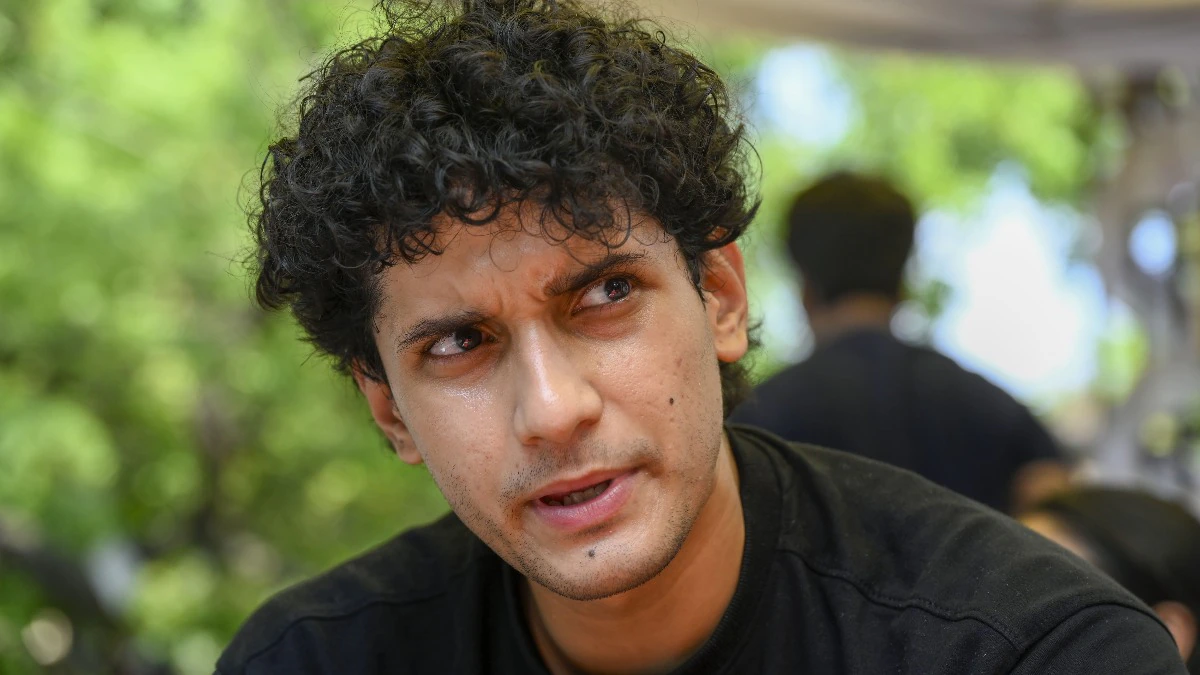
Saurav Das is an Indian investigative journalist, Right to Information (RTI) activist and spokesperson associated with the Cockroach Janta Party (CJP), a youth-led movement that gained national attention in 2026. Before becoming a prominent face of the movement, he built his profile through independent journalism and reporting on governance, the judiciary and public accountability.
A graduate of Amity University, Das has worked on stories involving government transparency, institutional responsibility and the use of the RTI Act. His public profile grew significantly after he became involved in CJP’s protests over examination-related concerns and, later, electoral-roll revision.
In October 2026, Das returned to the headlines after Delhi Police detained him and fellow CJP leader Ashutosh Ranka during a protest attempt at Jantar Mantar. The movement was demanding accountability from Chief Election Commissioner Gyanesh Kumar over disputed changes to electoral rolls.
This Saurav Das biography covers his background, education, journalism career, RTI work, role in CJP and the latest developments surrounding the movement.
Saurav Das Biography: Quick Facts
| Detail | Information |
|---|---|
| Full name | Saurav Das |
| Nationality | Indian |
| Profession | Investigative journalist and RTI activist |
| Education | BA in Journalism and Mass Communication |
| University | Amity University |
| Known for | Investigative reporting, transparency work and CJP |
| Public role | Spokesperson associated with the Cockroach Janta Party |
| Main areas of work | Governance, judiciary, public accountability and transparency |
| Based in | New Delhi, according to published profiles |
| Major public attention | 2026 CJP protests |
| Family details | Limited verified public information |
| Net worth | No reliable public estimate established |
Sources: India Today, The Times of India and Brut.
Who Is Saurav Das?
Saurav Das is an investigative journalist who became widely known in 2026 through his association with the Cockroach Janta Party.
Before entering the national political spotlight, he had developed a professional identity around independent journalism, transparency and RTI-based reporting. His work has focused on institutions, public administration and questions about how government bodies operate.
His involvement with CJP brought him into a different kind of public role. Alongside reporting and writing, he began speaking publicly about student concerns, examination integrity and government accountability.
Das is often described as one of the movement’s prominent spokespersons. However, CJP’s public activity involves several organisers and supporters, so his role should not be confused with being its sole founder.
Saurav Das Age and Early Background
Saurav Das’s exact date of birth and age are not consistently confirmed across reliable public sources. Some published profiles provide differing details, so it is better not to state a precise age without a dependable primary source.
His professional background is more clearly documented. He developed an interest in journalism and public affairs before becoming associated with CJP.
His work demonstrates how independent reporting and digital communication can bring journalists into public debates beyond traditional newsrooms. As his involvement with the movement grew, his interviews, speeches and online posts reached a larger audience.
Saurav Das Education
According to published reporting, Saurav Das completed a Bachelor of Arts in Journalism and Mass Communication at Amity University between 2016 and 2019.
The degree provided a foundation in journalism, media communication and reporting. These skills are relevant to his later work as an independent journalist, particularly his focus on research, public records and accountability.
During his early career, he gained experience in media-related roles before developing a more independent reporting profile.
There is limited reliable public information establishing additional formal degrees. His educational profile should therefore focus on the qualification documented in credible reporting rather than unverified claims.
Saurav Das Journalism Career
From Media Work to Independent Journalism
Das worked in media-related roles before becoming known primarily for independent investigative reporting.
Published profiles describe experience in post-production and content-related work, followed by a period working as an independent journalist. He has used his own website and social media platforms to publish reporting, commentary and updates about public issues.
Independent journalism often requires reporters to identify a question, collect documentary evidence, approach relevant institutions and explain findings to the public. Das’s work has used methods such as public-record requests and scrutiny of official responses.
His career shows how digital publishing can give independent journalists a direct route to readers, without relying exclusively on established news organisations.
Focus on Governance and the Judiciary
Das has reported on topics involving government administration, the judiciary, policing and transparency.
His public work includes investigations and reporting informed by the Right to Information Act, 2005. The Act allows eligible applicants to seek information from public authorities, subject to legal exemptions and procedures.
RTI-based reporting can help journalists examine how decisions are made, what records exist and whether official explanations match available documentation.
However, an RTI response does not automatically prove wrongdoing. Its meaning depends on the records obtained, their context and any additional evidence. A careful account of Das’s journalism should distinguish documented findings from allegations or opinion.
Saurav Das and RTI Activism
The Right to Information Act is an important part of Das’s public profile.
The law gives citizens a mechanism to request information held by public authorities. Journalists and activists use it to investigate administrative decisions, government spending, public records and institutional processes.
Das has been associated with RTI-based reporting on subjects including public administration and government accountability.
This work is relevant because transparency can help citizens understand how public institutions function. It can also encourage institutions to provide clearer explanations for their decisions.
His reporting should be evaluated story by story, based on the documents, methodology, responses from the institutions concerned and any independent corroboration.
What Is the Cockroach Janta Party?
The Cockroach Janta Party, commonly called CJP, is a satirical digital movement that developed into a wider youth-led protest platform in 2026.
The movement gained visibility after a social media post by founder Abhijeet Dipke used the cockroach as a symbol in response to a public controversy involving unemployed youth.
Its unusual name and online communication style helped it attract attention. As the movement expanded, it began raising concerns about examination integrity, recruitment processes, unemployment and public accountability.
CJP has also organised or supported protests, taking its activity beyond social media.
Its role has been contested. Supporters view it as a platform for young people who feel their concerns are not adequately addressed. Critics may question its tactics, organisation or political claims. A balanced biography should explain the movement’s stated objectives without treating every claim made by any side as established fact.
What Is Saurav Das’s Role in CJP?
Saurav Das is one of the prominent public faces and spokespersons associated with CJP.
His journalism background gives him experience in researching issues, presenting arguments and communicating with the public. Within the movement, he has appeared in interviews, speeches and protest-related communications.
He has been associated with campaigns raising concerns about examination irregularities and electoral-roll revisions.
Das works alongside other CJP figures, including founder Abhijeet Dipke and co-convenor Ashutosh Ranka. Their roles are different: Dipke is identified as the movement’s founder, while Das has become a recognised spokesperson and public communicator.
The movement’s future will depend on its ability to maintain participation, establish clear objectives and address questions about how its demands can be pursued through lawful and effective channels.
Why Did Saurav Das Become Popular in 2026?
Several developments contributed to Das’s rise in public attention.
Investigative journalism: His earlier reporting gave him a profile before the CJP movement became widely known.
RTI-based work: His focus on public records and institutional transparency connected with debates about accountability.
Public communication: Interviews, speeches and social media videos introduced him to audiences beyond journalism circles.
Youth-led protests: CJP’s campaigns brought issues such as examination security, recruitment and employment into the national conversation.
Electoral-roll controversy: The movement’s later protests over revisions to voter lists brought its leaders into a new political dispute.
These factors help explain his growing visibility. However, social media attention does not necessarily indicate that all viewers agree with his positions or the movement’s demands.
Saurav Das Latest News: October 2026
In October 2026, Saurav Das became prominent in coverage of CJP’s demonstrations in Delhi.
On 10 October, Delhi Police detained Das, Ashutosh Ranka and founder Abhijeet Dipke at Indira Gandhi International Airport as they arrived in the capital ahead of a planned protest. Authorities had not permitted the proposed demonstration at Jantar Mantar.
The leaders were subsequently released subject to conditions related to maintaining peace and good behaviour. On 13 October, Das and Ranka were again detained after attempting to reach Jantar Mantar, according to news reports.
The demonstrations were linked to CJP’s demand that Chief Election Commissioner Gyanesh Kumar resign over alleged irregularities in electoral-roll revision.
The allegations are disputed. Critics have raised concerns about the removal of names from voter lists, while the Election Commission has defended the revision process and denied partisan bias. These claims should be assessed through official records, legal proceedings and credible independent reporting.
The detentions also renewed debate about the right to peaceful assembly and the rules governing designated protest locations in Delhi.
Saurav Das Family
Detailed information about Saurav Das’s parents, siblings, spouse or children is not consistently established in reliable public sources.
As an investigative journalist and public spokesperson, he has attracted attention primarily through his professional work and activism. A biography should avoid presenting unverified personal information as fact.
If he shares additional family details in a reliable interview or official profile, the article can be updated accordingly.
Saurav Das Net Worth and Income
There is no independently verified public estimate of Saurav Das’s net worth.
His professional background includes journalism and media-related work, but reliable public records do not establish a comprehensive figure for his assets, savings or total income.
Publishing a precise net-worth amount without credible evidence would be misleading. It is more accurate to state that his net worth has not been publicly verified.
Saurav Das Career Timeline
| Period | Milestone |
|---|---|
| 2016–2019 | Studied Journalism and Mass Communication at Amity University |
| Early career | Gained experience in media and content-related roles |
| From 2020 | Worked as an independent journalist, according to published profiles |
| Before CJP’s national rise | Built a profile through investigative reporting and RTI-related work |
| 2026 | Became widely known as a CJP spokesperson |
| October 2026 | Detained during protests in Delhi over electoral-roll revision |
Frequently Asked Questions About Saurav Das
Who is Saurav Das?
Saurav Das is an Indian investigative journalist and RTI activist who became widely known in 2026 as a spokesperson associated with the Cockroach Janta Party.
What is Saurav Das’s educational qualification?
Published reporting says he completed a BA in Journalism and Mass Communication at Amity University between 2016 and 2019.
What does Saurav Das do?
He works as an investigative journalist and has been involved in RTI-based reporting, public transparency issues and CJP’s public communications.
Is Saurav Das the founder of CJP?
No. Abhijeet Dipke is identified as CJP’s founder. Saurav Das is one of its prominent spokespersons.
Why is Saurav Das trending in October 2026?
He has been in the news after being detained during protests in Delhi associated with CJP’s campaign over electoral-roll revision and demands for the resignation of Chief Election Commissioner Gyanesh Kumar.
What is RTI activism?
RTI activism involves using the Right to Information Act to seek records from public authorities and promote transparency and accountability.
What is Saurav Das’s age?
His exact date of birth and age are not consistently confirmed in reliable public sources. It is better not to publish a specific age without stronger verification.
What is Saurav Das’s net worth?
No independently verified public estimate of his net worth is available in the sources used for this biography.
Is Saurav Das a politician?
He is primarily described as an investigative journalist and activist associated with CJP. His public role in the movement does not, by itself, establish that he holds elected office.
What issues does Saurav Das raise through CJP?
The movement has raised issues involving examination integrity, recruitment processes, unemployment, public accountability and electoral-roll revision.
Conclusion
Saurav Das’s journey from independent journalism to a prominent role in a youth-led protest movement reflects the growing overlap between digital media, public accountability and civic activism.
His reporting and RTI-related work helped establish his professional identity before CJP brought him into wider public view. In 2026, his participation in the movement’s protests made him a recognisable figure in debates about examinations, electoral processes and the right to peaceful assembly.
His longer-term public influence will depend on the quality of his reporting, the evidence behind the claims he advances and the movement’s ability to turn public attention into constructive action.
For readers looking for Saurav Das’s biography, the most useful account is one that explains his journalism background and role in CJP while carefully distinguishing verified information from disputed political claims.